CNC machines depend on machine tool probes to produce components that match their CAD models to tight tolerances. When a probe drifts — losing accuracy or repeatability over time — the deviations it introduces can propagate silently into critical manufactured parts before anyone notices.
For a company producing aerospace components, that risk is unacceptable. A Tier 1 aerospace manufacturer and major user of high-precision probing systems needed a way to validate that their probes were still performing to specification — quickly, reliably, and on their own shop floor.
The manufacturer's own factory acceptance testing used a large laser-based system that could not be replicated in a customer environment. Nothing equivalent existed for in-service validation. A purpose-built solution was required.
The system needed to work on a standard metrology lab bench, be operable by a technician rather than a specialist engineer, and support multiple probe models in active use at the customer site. Automated operation was essential — the result had to be a traceable test report, not a manual measurement.
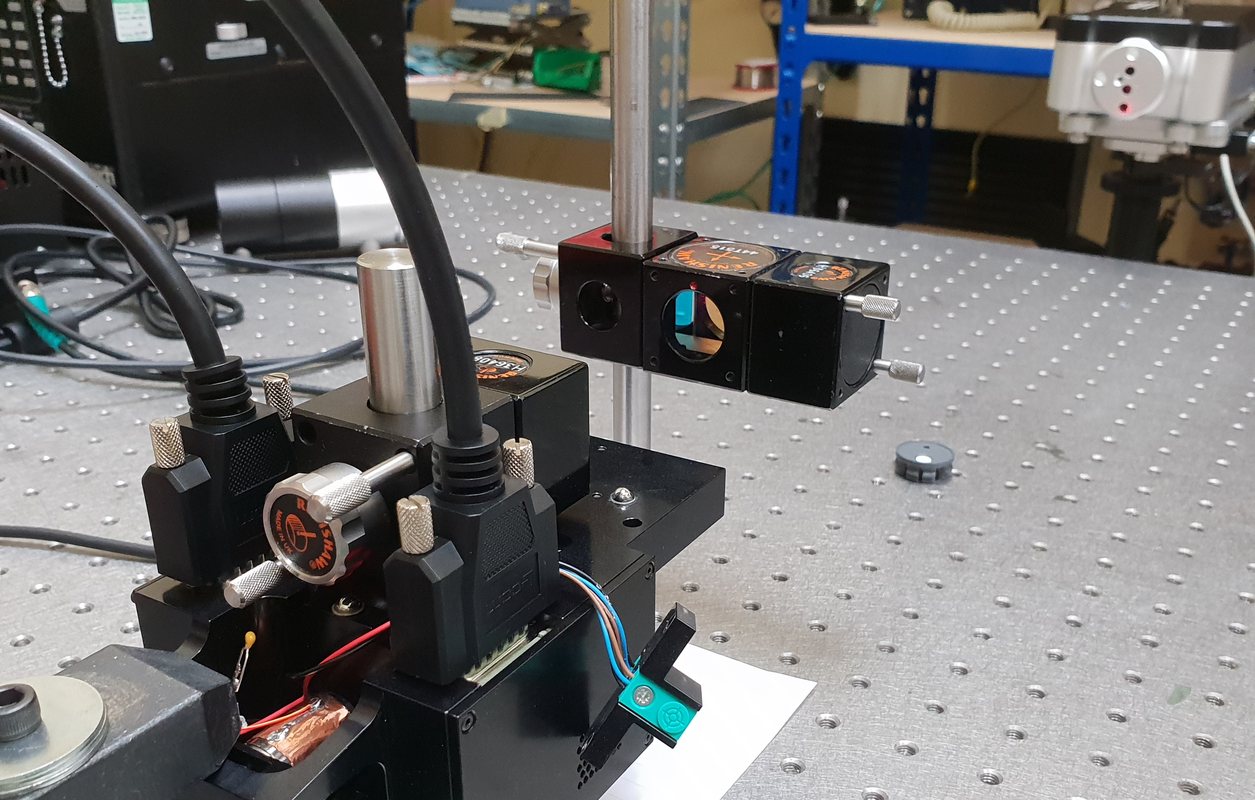
The design centred on a fully automated 360° probe characterisation routine, measuring trigger points across the full working envelope and running statistical analysis equivalent to a Gauge R&R study. The system calculated standard deviation and variance of trigger points, compared them against acceptance limits, and generated a validation report automatically.
A technician could mount a probe, initiate the sequence, and return to a completed, documented result. The measurement architecture achieved a resolution of 1 nanometre at a sample rate of 40MHz — performance that placed it firmly in the domain of laboratory-grade instrumentation.
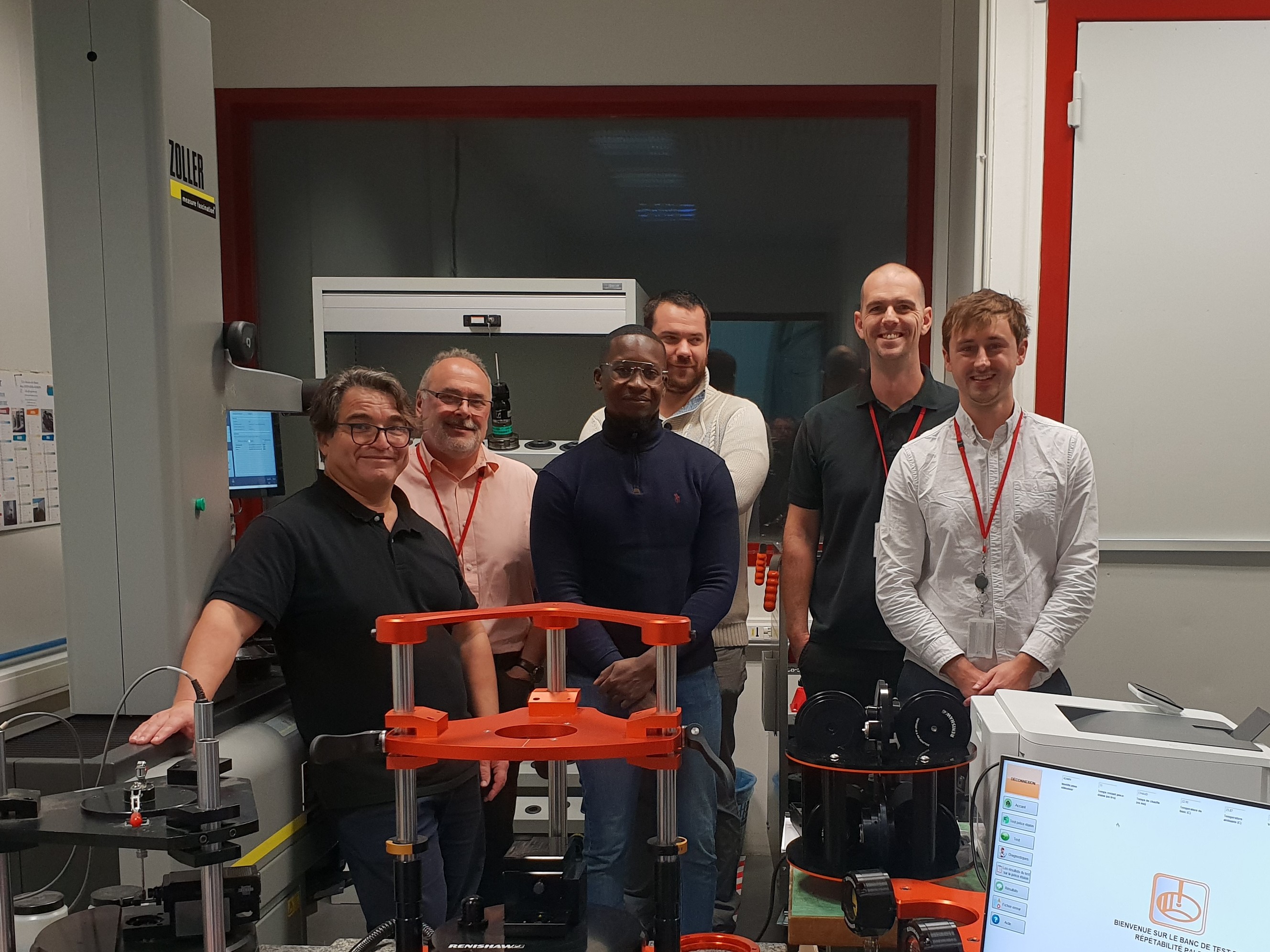
The most valuable insight from this project was commercial as much as technical. Delivering a sophisticated instrument through a Tier 1 aerospace customer's acceptance process — and later seeing the product receive full CE marking and EU Declaration of Conformity — confirmed that engineering at this level of precision is achievable when the architecture decisions are right from the start. The standards that aerospace demands are unforgiving, and meeting them on the first sale is the only result that matters.